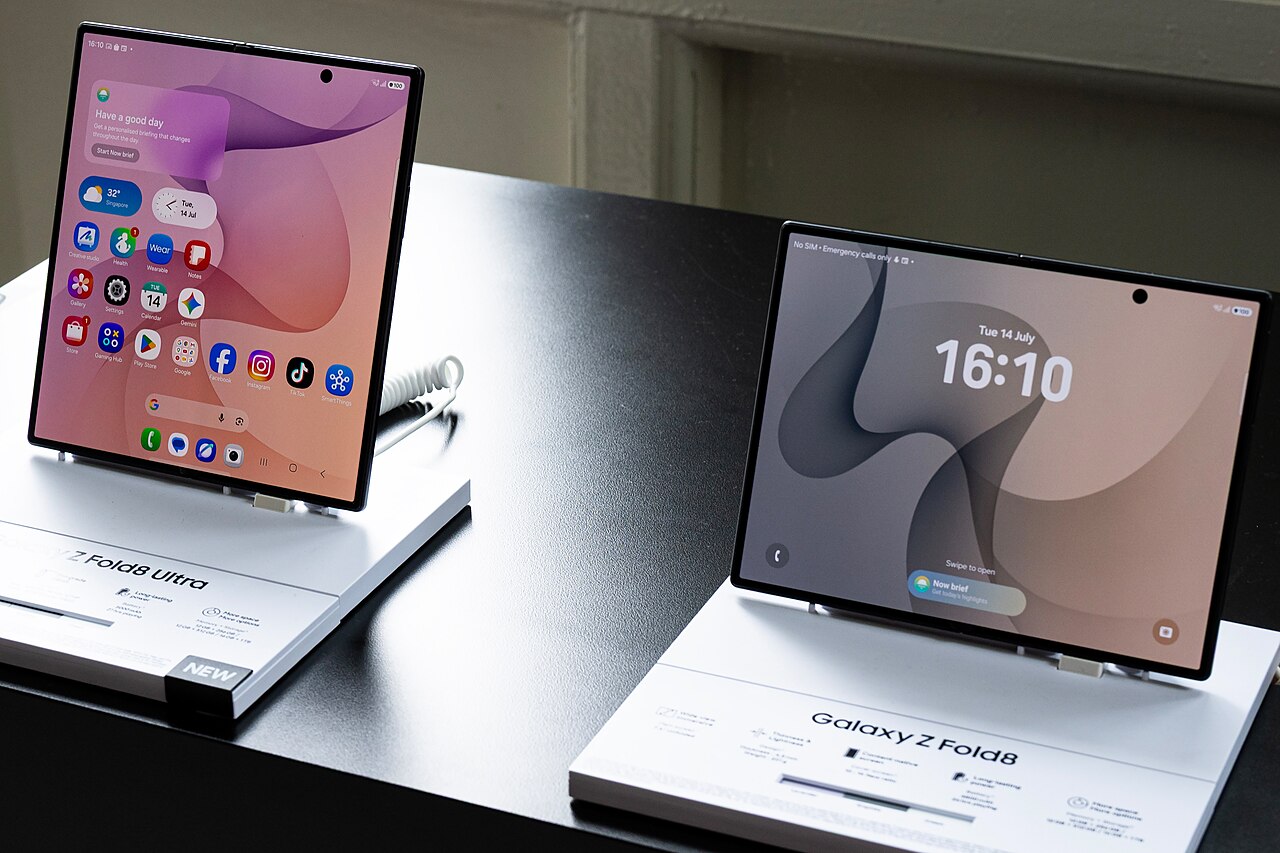
Galaxy Z Fold 8 has challenged my previous expectations. This article delves into the surprising features of the Galaxy Z Fold 8 and the potential threats to the iPhone Ultra.
Introduction to the Galaxy Z Fold 8
The tech world is buzzing with the recent launch of the Galaxy Z Fold 8, a device that has stirred up debates among enthusiasts and critics alike. Expectations were high, and many anticipated a groundbreaking enhancement from its predecessor. However, as reviews pour in, it seems that some of those anticipations may have been misplaced.
When the Galaxy Z Fold 8 was first announced, it promised a blend of innovation and practicality, aiming to push the boundaries of smartphone design. Yet, certain features have left users questioning whether the enhancements truly meet the demands of modern smartphone users. The device showcases impressive specifications, but the real test lies in its usability and performance in everyday scenarios.
In addition to the discussion surrounding the Galaxy Z Fold 8, there are concerns about the competition. The much-anticipated iPhone Ultra is also on the horizon, and its arrival could complicate the market landscape. As both devices strive for supremacy, the risks associated with consumer expectations and brand loyalty come into play.
Ultimately, the Galaxy Z Fold 8 stands at a crossroads, balancing innovation with practicality, while the looming presence of the iPhone Ultra adds an intriguing layer to the unfolding narrative in the mobile technology sector.
Key Features of the Galaxy Z Fold 8
The Galaxy Z Fold 8 has been generating significant buzz in the tech world, and it comes packed with several key features that set it apart from its predecessors. Here are some highlights:
- Enhanced Display: The device boasts a larger and brighter main display, providing users with an immersive experience whether they are watching videos or multitasking.
- Improved Durability: With upgraded materials and design, the Galaxy Z Fold 8 is more resilient to everyday wear and tear, promising a longer lifespan for the device.
- Better Multitasking Capabilities: Samsung has refined its software, allowing users to run multiple apps simultaneously with ease, making it a powerful tool for productivity.
- Camera Enhancements: The camera system has seen significant improvements, offering higher resolution and better low-light performance, which is essential for capturing stunning photos.
- 5G Connectivity: As expected in modern devices, the Galaxy Z Fold 8 supports 5G, ensuring fast and stable internet connections.
- Battery Life: Equipped with a larger battery, users can expect improved longevity, allowing for extended use without frequent recharging.
These features position the Galaxy Z Fold 8 as a serious contender in the foldable smartphone market, appealing to both tech enthusiasts and casual users alike.
What I Got Wrong About the Galaxy Z Fold 8
When I first encountered the Galaxy Z Fold 8, I had high expectations regarding its durability and overall performance. However, I quickly realized that my assumptions were based on a few misconceptions.
Initially, I believed that the foldable technology would have matured significantly by now, leading to a device that could withstand everyday wear and tear effortlessly. Instead, I found that while the Galaxy Z Fold 8 boasts impressive build quality, it still requires careful handling to avoid potential issues.
Another area where I underestimated the device was its software optimization. I expected seamless multitasking capabilities and fluid transitions between apps. Although the Galaxy Z Fold 8 does offer some remarkable software features, I encountered occasional glitches that hindered the experience.
Moreover, I thought that the camera performance would rival that of high-end traditional smartphones. While the camera system is competent, it doesn’t quite match the prowess of competitors like the latest iPhone models, particularly in low-light conditions.
In conclusion, my perception of the Galaxy Z Fold 8 has shifted significantly. Understanding its strengths and limitations has made me more appreciative of what foldable technology can offer, even if it isn’t quite where I expected it to be.
The Risks Facing the iPhone Ultra
The launch of the iPhone Ultra has garnered significant attention, but it comes with its own set of risks that could impact its success in the market. As Apple seeks to innovate and compete with devices like the Galaxy Z Fold 8, the stakes have never been higher.
One major concern is the growing expectation among consumers for groundbreaking features. Apple has built a reputation for high-quality products, and any perceived shortcomings in the iPhone Ultra could lead to disappointment. The pressure to deliver a device that matches or exceeds the capabilities of competitors like the Galaxy Z Fold 8 is immense.
Additionally, the pricing strategy for the iPhone Ultra poses a risk. If the price point is set too high, it may alienate a significant portion of the market, especially as consumers become more price-sensitive in the current economic climate. On the other hand, a lower price might undermine Apple’s premium brand image.
Furthermore, the integration of new technologies, such as advanced camera systems and folding screens, could also lead to potential issues. If these features do not perform as expected, it could tarnish Apple’s reputation as an innovator in the smartphone space.
Overall, while the iPhone Ultra aims to compete with the likes of the Galaxy Z Fold 8, it faces inherent risks that could derail its anticipated success.
Comparative Analysis: Galaxy Z Fold 8 vs iPhone Ultra
When comparing the Galaxy Z Fold 8 to the iPhone Ultra, several key differences emerge that could influence consumer choice. Both devices cater to premium markets, yet they offer distinct user experiences.
First, the form factor sets them apart. The Galaxy Z Fold 8 features a foldable design that allows for a larger display when opened, providing a unique multitasking capability. In contrast, the iPhone Ultra maintains a traditional smartphone design, emphasizing durability and simplicity.
Next, consider the software ecosystem. The Galaxy Z Fold 8 runs on Android, offering extensive customization options and a wide range of apps specifically optimized for its foldable interface. Meanwhile, the iPhone Ultra benefits from Apple’s tightly integrated ecosystem, which appeals to users invested in the Apple environment.
- Display: The Galaxy Z Fold 8 boasts a larger, flexible screen.
- Camera: The iPhone Ultra is expected to excel in photography features.
- Battery Life: Users may find varying performance between the two devices.
Ultimately, the decision may come down to personal preference and intended use. While the Galaxy Z Fold 8 offers cutting-edge technology, the iPhone Ultra faces challenges that could impact its appeal in the competitive market.
User Reactions to the Galaxy Z Fold 8
User reactions to the Galaxy Z Fold 8 have been a mix of excitement and skepticism. While many users appreciate the innovative design and advanced features, others have expressed concerns regarding its practicality and durability.
- Positive Feedback: A significant number of users have praised the Galaxy Z Fold 8 for its stunning display quality and improved multitasking capabilities. Many users highlight how the device enhances productivity, allowing them to run multiple apps seamlessly.
- Durability Concerns: Some early adopters have reported issues with the foldable screen, questioning its long-term reliability. The fear of potential wear and tear has led to discussions about whether the device can withstand daily use.
- Price Sensitivity: The premium price tag of the Galaxy Z Fold 8 has raised eyebrows, with several users debating whether the investment is justified. Many potential buyers are comparing the cost to other flagship models, particularly the upcoming iPhone Ultra.
- Comparative Sentiments: Users have also shared their thoughts on how the Galaxy Z Fold 8 stacks up against other devices, including the iPhone Ultra, expressing both hope and skepticism about the future of foldable technology.
As feedback continues to pour in, it remains clear that while the Galaxy Z Fold 8 has captured attention, it also faces significant challenges in meeting user expectations.
Future of Foldable Smartphones
The future of foldable smartphones appears promising yet uncertain, especially with the introduction of devices like the Galaxy Z Fold 8. As the technology matures, several trends are emerging that could shape the landscape of mobile devices in the coming years.
First and foremost, manufacturers are likely to focus on durability. Early foldable models faced criticism for their fragile screens, but advancements in materials and engineering are leading to more robust designs. The Galaxy Z Fold 8 sets a new standard with its enhanced hinges and protective glass, showcasing what can be achieved with innovation.
Another critical aspect is user experience. Foldable smartphones like the Galaxy Z Fold 8 offer unique functionalities that traditional smartphones cannot match. This versatility appeals to a growing demographic of users who require multitasking capabilities, making these devices increasingly popular.
However, competition remains fierce. As more brands enter the foldable market, consumers may experience a wider range of choices, but they will also face the risks associated with unproven technologies. Companies like Apple are under pressure to keep pace, and the introduction of the iPhone Ultra could change the game entirely.
In conclusion, the future of foldable smartphones hinges on innovation, user experience, and competitive dynamics, making it an exciting time for both consumers and manufacturers alike.
via Wikimedia Commons