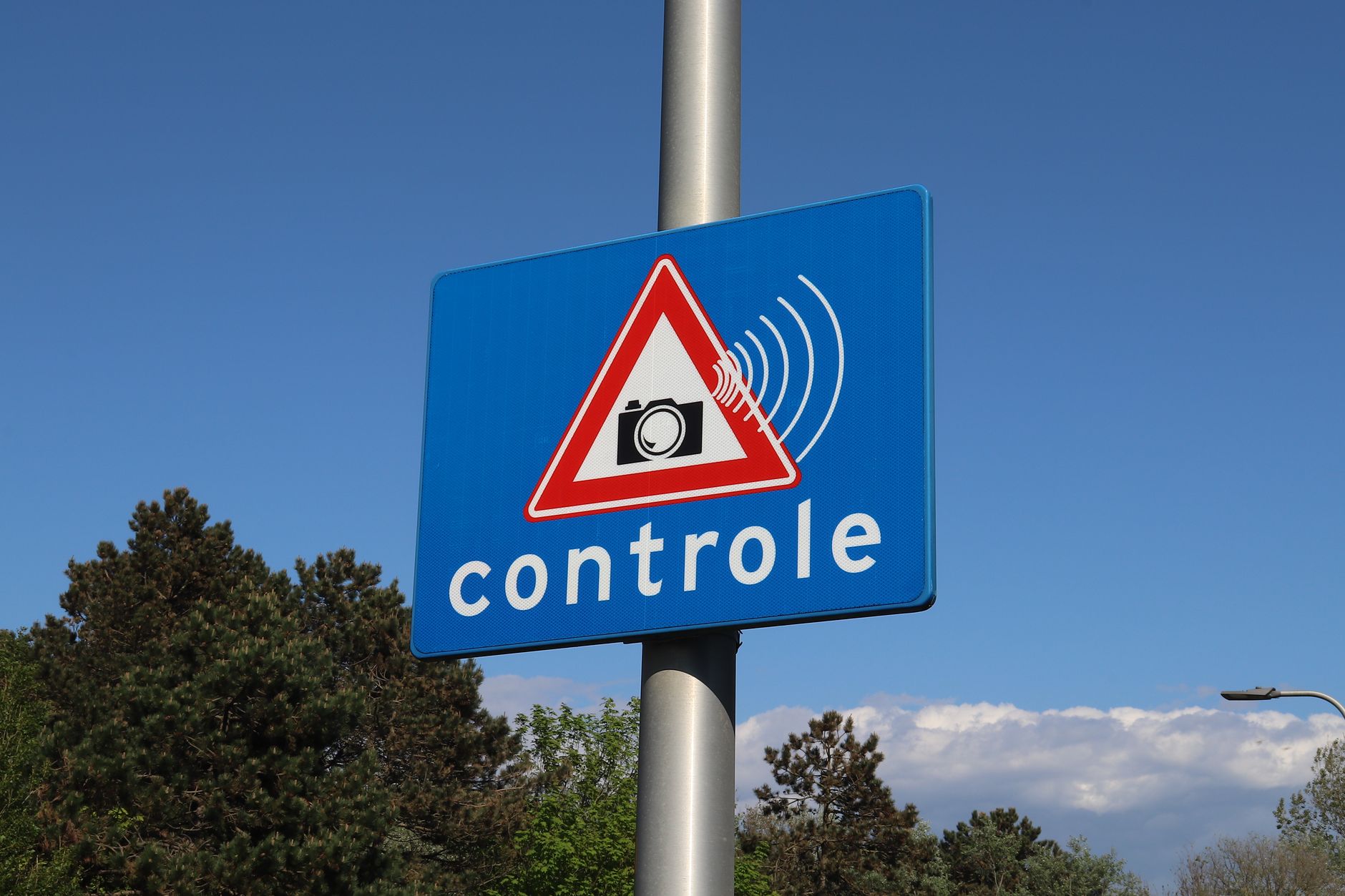
Flock cameras regulation is gaining attention as the O’Mara bill passes the House. This legislation aims to address concerns surrounding surveillance and privacy.
What are Flock cameras?
Flock cameras are advanced surveillance devices that have gained attention for their role in enhancing public safety. These cameras are designed to automatically capture and analyze vehicle license plates, allowing law enforcement agencies to monitor traffic patterns and identify stolen vehicles efficiently.
Equipped with high-resolution imaging technology, Flock cameras can operate day and night, providing crucial data to authorities. The system is often integrated with databases that track criminal activity, enabling swift responses to incidents. While proponents argue that these cameras significantly improve safety and contribute to crime reduction, concerns about privacy and surveillance overreach have sparked debate.
As the regulatory framework surrounding Flock cameras evolves, many communities are grappling with the implications of their use. The recent passage of the O’Mara bill in the House aims to introduce regulations to govern the deployment and operation of these cameras. This legislation seeks to balance the benefits of enhanced safety with the protection of individual privacy rights.
Some key features of Flock cameras include:
- Real-time data collection and analysis
- Integration with law enforcement databases
- High-resolution imaging capabilities
- 24/7 operational functionality
As discussions around Flock cameras regulation continue, communities must weigh the advantages of increased safety against potential privacy infringements.
Understanding the O’Mara bill
The O’Mara bill, recently passed by the House, seeks to introduce regulations concerning the use of Flock cameras across the state. This legislation comes in response to increasing concerns about privacy and the implications of surveillance technology in public spaces. Advocates for the bill argue that it is essential to establish clear guidelines to ensure that Flock cameras are used responsibly and ethically.
Key provisions of the bill include:
- Data Collection Limits: The bill stipulates that Flock cameras can only collect data for specific purposes, such as enhancing public safety and reducing crime rates.
- Retention Policies: The legislation requires that any footage captured by Flock cameras must be stored for a limited duration, after which it must be deleted unless it is linked to an ongoing investigation.
- Public Disclosure: Authorities must inform the public about the locations of Flock cameras, ensuring transparency and accountability.
- Oversight Mechanisms: The bill establishes an oversight committee to review the implementation and effectiveness of the regulations concerning Flock cameras.
Supporters of the O’Mara bill believe that the regulations will enhance community safety while protecting individuals’ rights. However, critics argue that any surveillance technology, including Flock cameras, poses inherent risks to privacy that cannot be overlooked.
Impact of surveillance technology
The impact of surveillance technology, particularly with the introduction of Flock cameras, has sparked significant debate among policymakers and the public alike. As communities increasingly adopt these systems for safety purposes, concerns about privacy and data handling have emerged. The regulation of Flock cameras, as proposed in the recent O’Mara bill, aims to address these issues while maintaining the intended benefits of enhanced security.
Supporters of Flock cameras argue that the technology can significantly aid law enforcement in crime prevention and resolution. They point to several key benefits:
- Increased safety: Flock cameras can help deter criminal activity in high-risk areas, contributing to a sense of security among residents.
- Rapid response: Law enforcement can access real-time data to track stolen vehicles or identify suspects, potentially reducing response times during incidents.
- Community engagement: Many local governments are using Flock cameras to foster cooperation between law enforcement and the community, enhancing public trust.
However, opponents raise valid concerns regarding the potential for misuse and the implications for civil liberties. The regulation of Flock cameras is seen as a necessary step to balance the benefits of surveillance technology with the protection of individual rights. As this legislation progresses, the conversation surrounding the ethical use of such technology will likely continue to evolve.
Public response to Flock cameras
The introduction of the O’Mara bill to regulate Flock cameras has sparked a wide-ranging public response, revealing a mixture of support and concern among community members. Many residents have expressed appreciation for the potential safety benefits these cameras could bring, particularly in reducing crime rates in urban areas. Supporters argue that the regulation of Flock cameras could enhance public safety while ensuring privacy is protected.
However, some community advocates have raised alarms over the implications of increased surveillance. Critics of the Flock cameras regulation worry about the potential for misuse of data and the erosion of personal privacy. They emphasize the need for robust guidelines to prevent overreach and protect citizens from unwarranted monitoring.
In an online survey conducted by local news outlets, responses were varied:
- Support for regulation: 65% of respondents believe that regulated Flock cameras will help decrease crime.
- Concerns about privacy: 50% of participants voiced fears that their movements could be constantly tracked.
- Desire for transparency: Many urged for a transparent process regarding how data will be used and stored.
As the discussion continues, it remains to be seen how the implementation of the O’Mara bill will address these concerns while aiming to enhance community safety through regulated Flock cameras.
Legal implications of regulation
The recent passage of the O’Mara bill in the House has sparked a significant discussion about the legal implications of regulating Flock cameras. As surveillance technology continues to evolve, lawmakers are grappling with how to balance public safety and privacy rights.
One of the primary concerns surrounding the regulation of Flock cameras is the potential for misuse of collected data. Critics argue that without stringent guidelines, the information captured by these cameras could lead to invasive practices, infringing on individual privacy. Proponents, however, maintain that proper regulation can enhance public safety, helping law enforcement solve crimes more effectively.
Legal experts highlight several key considerations in this debate:
- Data Ownership: Questions arise about who owns the data captured by Flock cameras and how it can be stored and shared.
- Transparency: There is a call for transparency in how surveillance data is utilized, ensuring the public is informed about its purposes.
- Oversight Mechanisms: The establishment of oversight bodies to monitor the use of Flock cameras can help prevent abuses and ensure compliance with the law.
As the legal landscape evolves, it remains essential for lawmakers to consider the implications of Flock cameras regulation carefully. Balancing safety and privacy will be crucial to gaining public trust in this technology.
Comparing state regulations
The debate surrounding Flock cameras regulation has ignited discussions about how various states approach surveillance technology. Different states have adopted unique regulations that reflect their priorities regarding privacy and public safety.
In California, regulations emphasize transparency and require law enforcement agencies to disclose how they use camera footage. This approach aims to build trust within communities while ensuring accountability.
Florida, on the other hand, has adopted a more lenient stance, allowing for broader usage of surveillance technology. Critics argue that such lax regulations could lead to potential abuses and an erosion of civil liberties.
Meanwhile, New York has proposed regulations that aim to balance safety and privacy. The state encourages the use of Flock cameras to aid in crime prevention but mandates strict guidelines on data retention and access, ensuring that footage is not misused.
Some states are still in the early stages of establishing guidelines, leading to a patchwork of regulations across the country. This inconsistency raises questions about the effectiveness of Flock cameras regulation in terms of enhancing safety without compromising individual rights.
As states continue to navigate the complexities of surveillance, the conversation around Flock cameras regulation remains critical, highlighting the need for a unified approach that addresses both safety concerns and the protection of privacy.
Future of AI in surveillance
The future of artificial intelligence (AI) in surveillance is a topic of increasing relevance, particularly in light of the recent passage of the O’Mara bill to regulate Flock cameras. As communities grapple with the balance between safety and privacy, the integration of AI technology in surveillance systems is becoming more sophisticated.
Flock cameras utilize AI algorithms to analyze and process images in real-time, enabling law enforcement agencies to quickly identify vehicles and individuals in various situations. This capability raises several considerations:
- Enhanced Safety: Proponents argue that AI-driven surveillance can significantly improve public safety by facilitating rapid responses to crimes and emergencies.
- Privacy Concerns: Critics warn that the pervasive use of Flock cameras could lead to unwarranted surveillance, infringing on individual privacy rights.
- Data Management: The regulation of Flock cameras must also address how data is collected, stored, and utilized, ensuring that it is done responsibly and transparently.
As the conversation continues, the role of AI in surveillance will likely evolve, prompting lawmakers to consider new regulations that address both the benefits and drawbacks of such technology. The ongoing discourse surrounding the Flock cameras regulation highlights the need for a thoughtful approach that prioritizes community safety while safeguarding civil liberties.
Community safety concerns
As the debate surrounding Flock cameras regulation intensifies, community safety concerns have taken center stage. Proponents argue that the cameras enhance public safety by providing law enforcement with crucial data to prevent and solve crimes. However, opponents raise significant worries regarding privacy and the potential for abuse of the technology.
Many residents express discomfort with the idea of being constantly monitored. They fear that the implementation of Flock cameras could lead to a surveillance state where innocent citizens are unjustly scrutinized. The balance between ensuring safety and protecting individual privacy rights remains a contentious issue.
Critics of the O’Mara bill contend that while the intention to regulate is commendable, it may not go far enough in safeguarding community members from overreach. They advocate for stricter provisions that limit data retention and access to ensure accountability in how the information is used.
Moreover, the potential for racial profiling has been highlighted as a significant concern. Community activists are urging lawmakers to consider the implications of surveillance technology on marginalized groups, fearing that it could exacerbate existing biases within law enforcement practices.
In light of these concerns, many are left questioning whether the Flock cameras regulation will truly enhance safety or simply lead to a society under constant watch. The ongoing dialogue underscores the complexities of implementing surveillance technology while prioritizing the rights and safety of all citizens.
The debate surrounding Flock cameras regulation continues to intensify as communities weigh the benefits of enhanced safety against potential privacy concerns. Advocates argue that Flock cameras regulation could lead to a significant reduction in crime, while critics fear the implications for civil liberties.
Photo by Jef K on Pexels
Sources
Pennsylvania House Democratic Caucus
Related stories
Casino Variable Top 4 Salle de jeu de Ligne avec versatile Connectez-vous à Mrbet en france 2026 · Greatest United bikini party free spins 150 states No-deposit Bonuses 2026 Free Dollars, No Credit · Bonus gratuits sans annales : Belles articles en compagnie de casino wild games casinos un tantinet