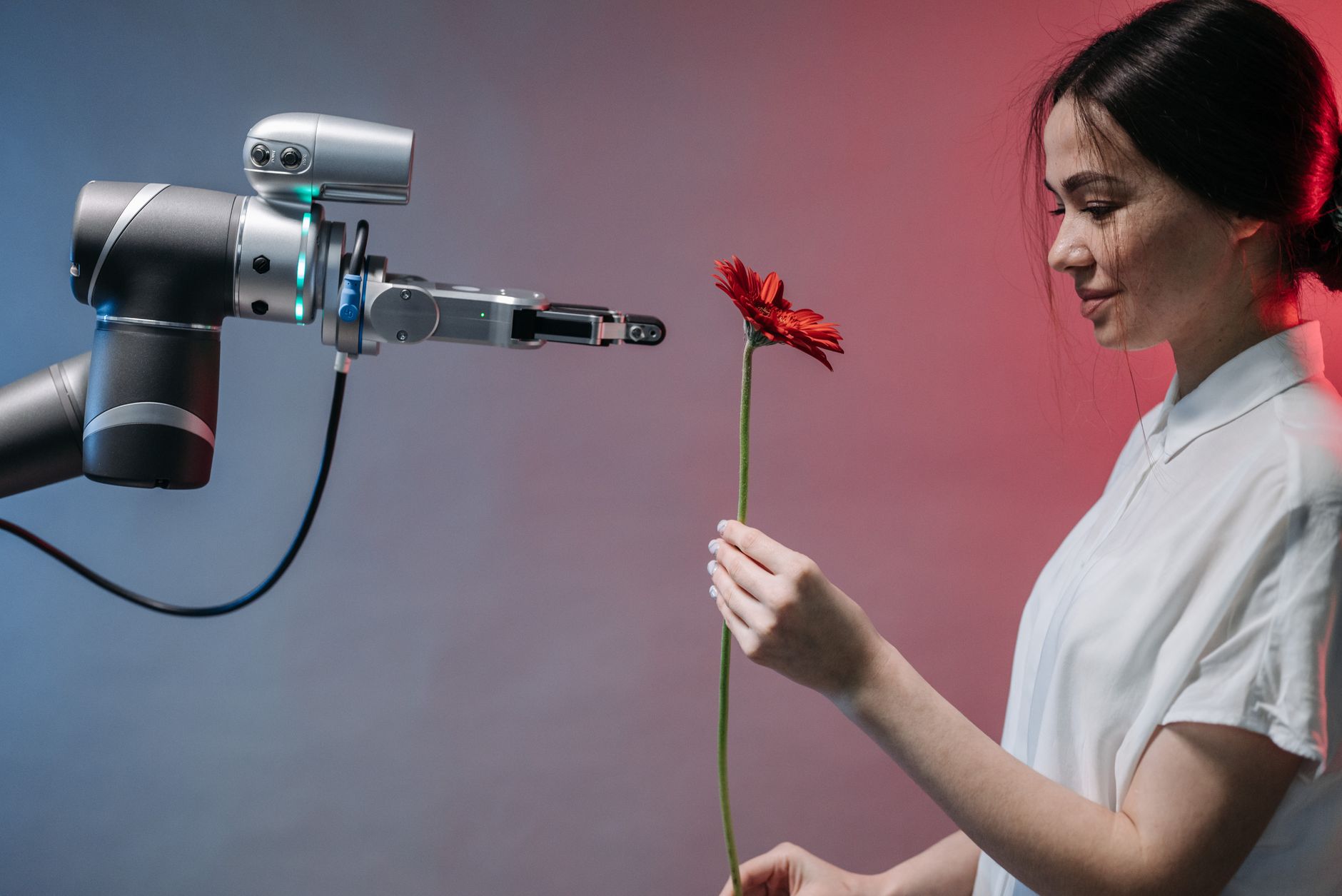
A healthier relationship with AI is essential for maximizing the benefits of technology. Understanding how to interact with chatbots can enhance our experiences.
Understanding AI and Human Attachment
As artificial intelligence continues to evolve, understanding its impact on human attachment becomes crucial. Many people may find themselves forming emotional connections with AI, particularly chatbots and virtual assistants. This phenomenon can lead to a range of feelings, from companionship to dependency.
While a healthy relationship with AI can enhance our lives, it’s important to recognize the limitations of these interactions. AI lacks genuine emotions and consciousness, which can create an illusion of connection. To foster a healthier relationship with AI, consider the following:
- Set boundaries: Engage with AI for specific tasks rather than emotional support.
- Encourage real connections: Prioritize human relationships to fulfill emotional needs.
- Be aware of usage: Reflect on the time spent interacting with AI and its effects on well-being.
By adopting these strategies, individuals can cultivate a healthier relationship with AI, ensuring that technology enhances rather than replaces authentic human experiences.
The Risks of Over-Reliance on Chatbots
The growing dependence on chatbots raises significant concerns about the potential risks associated with over-reliance on these AI systems. As they become increasingly integrated into our daily lives, it is essential to recognize how this relationship can impact our mental and emotional well-being.
One of the primary risks is the distortion of social skills. Individuals may find themselves prioritizing interactions with chatbots over real-life relationships, leading to a decline in meaningful human connections.
Moreover, the emotional attachment that some users develop towards chatbots can create unrealistic expectations. This can result in feelings of disappointment or loneliness when the AI fails to provide the desired support or understanding.
To cultivate a healthier relationship with AI, it is crucial to maintain a balanced approach, ensuring that technology enhances rather than replaces human interaction. Users should be encouraged to recognize the limitations of chatbots and to seek genuine connections in their lives.
Tips for a Healthier Relationship with AI
As we navigate the growing presence of AI in our lives, fostering a healthier relationship with AI becomes essential. Here are some tips to achieve this:
- Set Boundaries: Clearly define when and how you interact with AI. Establishing limits can help prevent over-reliance on chatbots.
- Seek Human Connection: Prioritize real-life interactions with friends and family. Balancing AI use with human relationships is crucial for emotional well-being.
- Stay Informed: Educate yourself about AI capabilities and limitations. Understanding how AI works can mitigate unrealistic expectations.
- Practice Mindfulness: Be aware of your emotional responses when using AI. Recognizing feelings of attachment can help you maintain a healthier relationship with AI.
- Engage Critically: Challenge the information provided by AI. Evaluating responses thoughtfully encourages a more balanced interaction.
By implementing these strategies, individuals can cultivate a healthier relationship with AI, ensuring it serves as a helpful tool rather than a substitute for genuine connection.
How AI Affects Our Emotional Well-Being
The integration of artificial intelligence into our daily lives has profound implications for our emotional well-being. As we increasingly rely on AI systems, especially chatbots, we may unknowingly foster attachments that can impact our mental health. Understanding how AI affects our emotional landscape is crucial for building a healthier relationship with AI.
Many individuals find comfort in engaging with AI, as it can provide instant responses and a sense of companionship. However, this interaction may lead to unrealistic expectations and emotional dependence. To navigate this landscape, it is essential to remain aware of the boundaries between human relationships and AI interactions.
Here are some key points to consider:
- Acknowledge the limitations of AI in providing emotional support.
- Maintain human connections to satisfy emotional needs.
- Practice mindfulness when engaging with AI technologies.
By being mindful of these factors, we can cultivate a healthier relationship with AI that enhances, rather than detracts from, our emotional well-being.
The Future of Human-AI Interactions
The evolution of technology has brought about significant changes in how humans interact with artificial intelligence, paving the way for a future where a healthier relationship with AI is achievable. As AI systems become more sophisticated, understanding the dynamics of these interactions will be crucial.
Experts suggest that fostering a balanced approach to AI engagement can mitigate potential pitfalls. Key aspects to consider include:
- Transparency: Users should be aware of how AI operates and its limitations.
- Boundaries: Establishing clear lines between human and AI roles can prevent dependency.
- Emotional Awareness: Recognizing our emotional responses to AI can help in managing attachments.
As society moves forward, embracing a conscious and informed approach to AI interactions will be essential. This not only promotes emotional well-being but also enhances the overall effectiveness of these technologies in our daily lives.
Balancing Technology and Real Connections
As society increasingly integrates artificial intelligence into daily life, it becomes essential to find ways to balance technology with real connections. A healthier relationship with AI involves recognizing its limitations while fostering genuine human interactions.
While chatbots and AI tools offer convenience and support, they cannot replace the emotional depth found in personal relationships. To maintain a healthy balance, consider the following:
- Set boundaries: Designate specific times for engaging with AI and make an effort to prioritize face-to-face interactions.
- Practice mindfulness: Be aware of your feelings and motivations when using AI, ensuring it complements rather than replaces your social life.
- Engage in community activities: Participate in group events or hobbies that encourage real-world connections.
Ultimately, a healthier relationship with AI allows us to harness its benefits while nurturing the essential bonds with those around us.
Photo by Pavel Danilyuk on Pexels
Read the original
You might also like
Galaxy Z Fold 8: Wrong Expectations and iPhone Ultra Risks · Thudakkam release date: Is it the best Onam film ever? · UPSC NDA 2 Answer Key: Is It the Best Way to Calculate Marks?
